Introduction
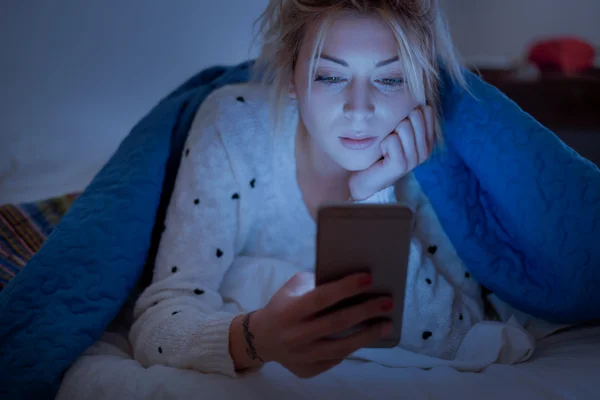
For years, blue light exposure—especially from smartphones, tablets, and computers—has been widely blamed for poor sleep. People have been told to avoid screens before bed, use blue-light filters, and even wear special glasses to protect their sleep cycles. However, recent research suggests that the impact of blue light on sleep may not be as strong or as straightforward as previously believed.
Emerging evidence is shifting the conversation away from blaming blue light alone and toward a more nuanced understanding of how light, behavior, and lifestyle interact to influence sleep. While blue light still plays a role in regulating the body’s internal clock, its actual effect—particularly from screens—appears to be smaller than once thought.
This article explores the science behind blue light, what new research reveals, and what really matters when it comes to getting better sleep.
What Is Blue Light?
Blue light is a part of the visible light spectrum with short wavelengths and relatively high energy. It is naturally present in sunlight and also emitted by artificial sources such as LED lighting and digital screens.
During the daytime, blue light plays a beneficial role. It helps regulate the body’s circadian rhythm—the internal clock that controls sleep and wake cycles—by promoting alertness and boosting cognitive performance.
However, concerns arise when blue light exposure occurs at night. Traditionally, scientists believed that this type of light could suppress melatonin, the hormone responsible for making us feel sleepy, thereby delaying sleep onset.
The Traditional View: Blue Light as a Sleep Disruptor
Earlier research strongly suggested that blue light was harmful to sleep. Studies found that exposure to blue light in the evening could delay the release of melatonin and shift circadian rhythms.
For example, experiments showed that blue light suppressed melatonin more than other wavelengths and could delay sleep timing.
This led to widespread recommendations such as:
- Avoid screens before bedtime
- Use night mode or blue-light filters
- Wear blue-light-blocking glasses
- Dim lights in the evening
These guidelines became a central part of modern “sleep hygiene.”
New Research: A Smaller Impact Than Expected
Recent studies, however, are challenging this long-held belief. Researchers now suggest that the effect of blue light—especially from screens—is relatively small in real-world conditions.
One study found that eliminating blue light exposure before bed did not significantly improve sleep as much as expected.
Another study reported no strong evidence that blue light is more disruptive than other types of light when it comes to sleep.
In fact, experts note that the light emitted by smartphones and other devices is relatively weak compared to natural daylight or even typical indoor lighting.
This suggests that earlier laboratory findings—often conducted under controlled, high-intensity conditions—may have overstated the real-world impact.
Why Earlier Studies May Have Overestimated the Effect
There are several reasons why older research may have exaggerated the role of blue light:
Laboratory vs Real Life Conditions
Many early studies exposed participants to intense, prolonged blue light in controlled environments. In contrast, everyday screen use involves much lower light levels.
Focus on Isolated Variables
Researchers often studied blue light in isolation, without considering other factors such as behavior, environment, and individual differences.
Overemphasis on Melatonin
While melatonin suppression is important, it does not fully determine sleep quality. Real-world sleep is influenced by multiple biological and psychological factors.
As a result, newer studies are taking a broader approach, examining how people actually use devices and how multiple factors interact.
The Bigger Picture: Light Exposure as a Whole
Modern research suggests that overall light exposure—not just blue light—is what truly matters.
Any type of light at night can affect sleep by interfering with the body’s internal clock. Even dim lighting has been shown to influence melatonin production and circadian rhythms.
More importantly, daytime light exposure plays a crucial role. Bright natural light during the day helps regulate the sleep-wake cycle and improves sleep quality at night.
In fact, people who spend most of their time indoors may experience disrupted sleep not because of too much blue light at night, but because of too little natural light during the day.
The Role of Screen Behavior
One of the most important insights from recent research is that the problem may not be the light itself—but how we use our devices.
Late-night screen use often involves:
- Scrolling social media
- Watching stimulating content
- Engaging in conversations
- Playing games
These activities keep the brain active and alert, making it harder to fall asleep.
Experts suggest that cognitive stimulation—rather than blue light—is a major reason why screens disrupt sleep.
In other words, it’s not just the screen—it’s what’s happening on the screen.
Brightness and Duration Matter More
Another key finding is that brightness and duration of light exposure are more important than color alone.
Even non-blue light can disrupt sleep if it is bright enough or used for a long time. Conversely, dim blue light may have minimal impact.
This means that:
- A bright room light can be more disruptive than a dim phone screen
- Short exposure may have little effect
- Long exposure increases the likelihood of sleep disruption
This shifts the focus from “blue light is bad” to “too much light at the wrong time is bad.”
The Importance of Daytime Light
One of the most overlooked factors in sleep health is daytime light exposure.
Natural sunlight is much brighter than artificial light—often reaching tens of thousands of lux, compared to the relatively low brightness of indoor environments and screens.
Exposure to daylight helps:
- Strengthen circadian rhythms
- Improve alertness during the day
- Promote better sleep at night
Without enough daytime light, the body may struggle to distinguish between day and night, leading to poor sleep patterns.
Are Blue Light Filters and Glasses Necessary?
With the growing concern about blue light, many products have been developed to reduce exposure, including:
- Blue-light-blocking glasses
- Screen filters
- Night mode settings
However, recent research suggests that these solutions may not be as effective as advertised.
Some studies have found little to no significant improvement in sleep from using blue-light filters.
This does not mean they are useless, but it indicates that they are not a complete solution. Addressing overall light exposure and screen habits is likely more important.
Practical Tips for Better Sleep
Based on current research, improving sleep involves more than just reducing blue light. Here are some evidence-based strategies:
1. Increase Daytime Light Exposure
Spend time outdoors, especially in the morning, to strengthen your internal clock.
2. Reduce Light at Night
Dim lights in the evening and avoid overly bright environments before bed.
3. Manage Screen Use
Limit stimulating activities on screens rather than focusing only on blue light.
4. Maintain a Consistent Sleep Schedule
Going to bed and waking up at the same time each day helps regulate your circadian rhythm.
5. Create a Relaxing Bedtime Routine
Engage in calming activities such as reading or meditation instead of scrolling.
What This Means for Everyday Life
The idea that “blue light ruins your sleep” is an oversimplification. While blue light does have biological effects, its impact—especially from screens—is smaller than many people believe.
This shift in understanding has important implications:
- People may not need to completely avoid screens before bed
- Focus should be on overall habits rather than a single factor
- Sleep health should be approached holistically
Instead of worrying about blue light alone, it is more effective to consider the bigger picture of light exposure, behavior, and lifestyle.
Conclusion
The relationship between blue light and sleep is more complex than previously thought. While early research highlighted its potential to disrupt sleep, newer studies suggest that its real-world impact is relatively small.
What matters more is the combination of factors such as overall light exposure, screen habits, and daily routines. Bright light at night, lack of daylight during the day, and engaging content before bed all play significant roles in sleep quality.
Rather than focusing solely on eliminating blue light, a balanced approach that considers all aspects of sleep hygiene is likely to be more effective. As science continues to evolve, it is becoming clear that good sleep is not about avoiding one specific factor—but about creating the right environment and habits for the body to rest naturally.