 1
1
Starting a blog today is easier than ever—but growing a successful blog still takes time, strategy, and persistence. If you’re a new or small blogger, it’s normal to feel overwhelmed by all the advice out there. But don’t worry—you don’t need to be an expert to get started or to see results.
Whether you’re writing about food, travel, personal finance, mental health, parenting, or any other niche, here are 15 essential tips to help you succeed as a new blogger in 2025.
Trying to write about everything will confuse your readers—and search engines. Choose a topic you care about and can consistently create content around. It’s fine to branch out later, but start small and focused.
Ask yourself:
When you’re new, it’s easy to get stuck trying to make your blog “perfect” before launching. Don’t. Launch first, improve as you go. You’ll learn way more by doing than by over-planning.
Your first posts won’t be perfect—and that’s okay.
While it’s tempting to treat your blog like a personal diary, readers usually come to blogs looking for solutions, answers, or inspiration. Make sure your content offers some kind of value.
Examples:
You don’t need to be an SEO expert, but learning the basics will help your blog posts rank on Google and bring in long-term traffic.
Start with:
Free tools like Ubersuggest, LowFruits, or Google Trends can help you discover what people are searching for.
You don’t need to publish daily. It’s better to post once a week consistently than to burn out after writing five posts in five days.
Create a content calendar—even if it’s just two posts a month—and stick with it.
Design matters, especially for small blogs. You don’t need to spend money on a premium theme at the start, but choose a free theme that’s fast, responsive, and easy to read on all devices.
Platforms like WordPress.org, Wix, and Ghost offer beginner-friendly themes.
Even if you only have five readers, start collecting email addresses from day one. Social media platforms change, but your email list is yours forever.
Offer something small to encourage signups:
Use free tools like MailerLite or ConvertKit to get started.
It’s easy to feel discouraged when you see big bloggers with thousands of followers and perfect websites. But remember—they started small too. Focus on your progress, not theirs.
Blogging is a marathon, not a sprint.
Maximize your effort by reusing your content in multiple formats. For example:
This saves time and helps you reach more people across different platforms.
Don’t blog in isolation. Connect with other bloggers on:
These spaces are great for learning, getting feedback, and building support systems.
There are amazing free tools to help manage your blog without spending a cent:
Evergreen content stays relevant for a long time. These are how-to guides, tips, and informational posts that people search for all year round.
Examples:
Later, you can sprinkle in seasonal or trending topics.
Don’t rush into ads or affiliate links in your first week. Focus on building trust and content first. Once you have some traffic or a small loyal audience, you can consider:
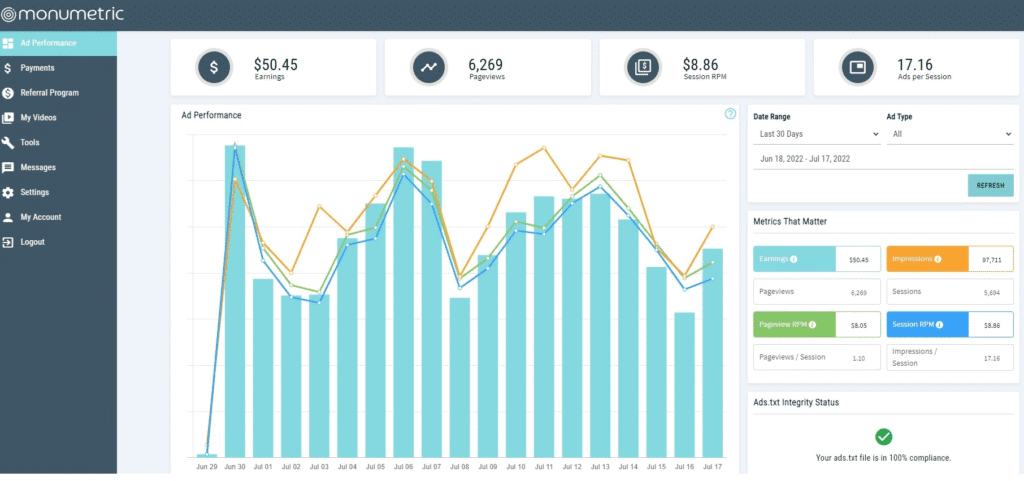
Keep track of:
Tracking helps you stay motivated and identify what’s working.
Most blogs don’t become successful overnight. It can take 6–12 months before you see real growth. The key is consistency and persistence. Keep writing, improving, and sharing—even when no one seems to notice.
Your future audience is out there. They just haven’t found you yet.
Starting a blog can feel intimidating, but it’s one of the most rewarding creative outlets—and potentially even a business. You don’t need to be perfect. You just need to be helpful, consistent, and true to your voice.
Start small. Stay patient. Celebrate little wins. And remember—every big blogger was once a beginner too.
If you’re starting a blog this year, you’re not too late. In fact, you’re right on time.